
I often hear people state how much a whiskey from the era before 1964 tasted better than whiskey made today. These vintage whiskeys often were only four years old when they were bottled but they taste better than most more mature whiskeys from today. The reasons for this are many, but barrel entry proof is a major contributor to the taste.
Before 1964, the maximum barrel entry proof was 110 but it was raised to 125 in that year. Many distillers were putting their whiskey in the barrel at even lower proofs: I have seen warehouse receipts from the 1930s and 40s with barrel entry proofs of 105 and 107. The lower barrel entry proof was more water in the mixture and water is the universal solvent. The natural sugars in the barrel dissolve better in water than alcohol, thus the whiskey is getting more of the sweet caramel and vanilla flavors from the barrel at a younger age. Ask any bartender and they will tell you the reason they use a simple syrup instead of granulated sugar in their cocktails, and they will say that sugar dissolves better in water than alcohol.

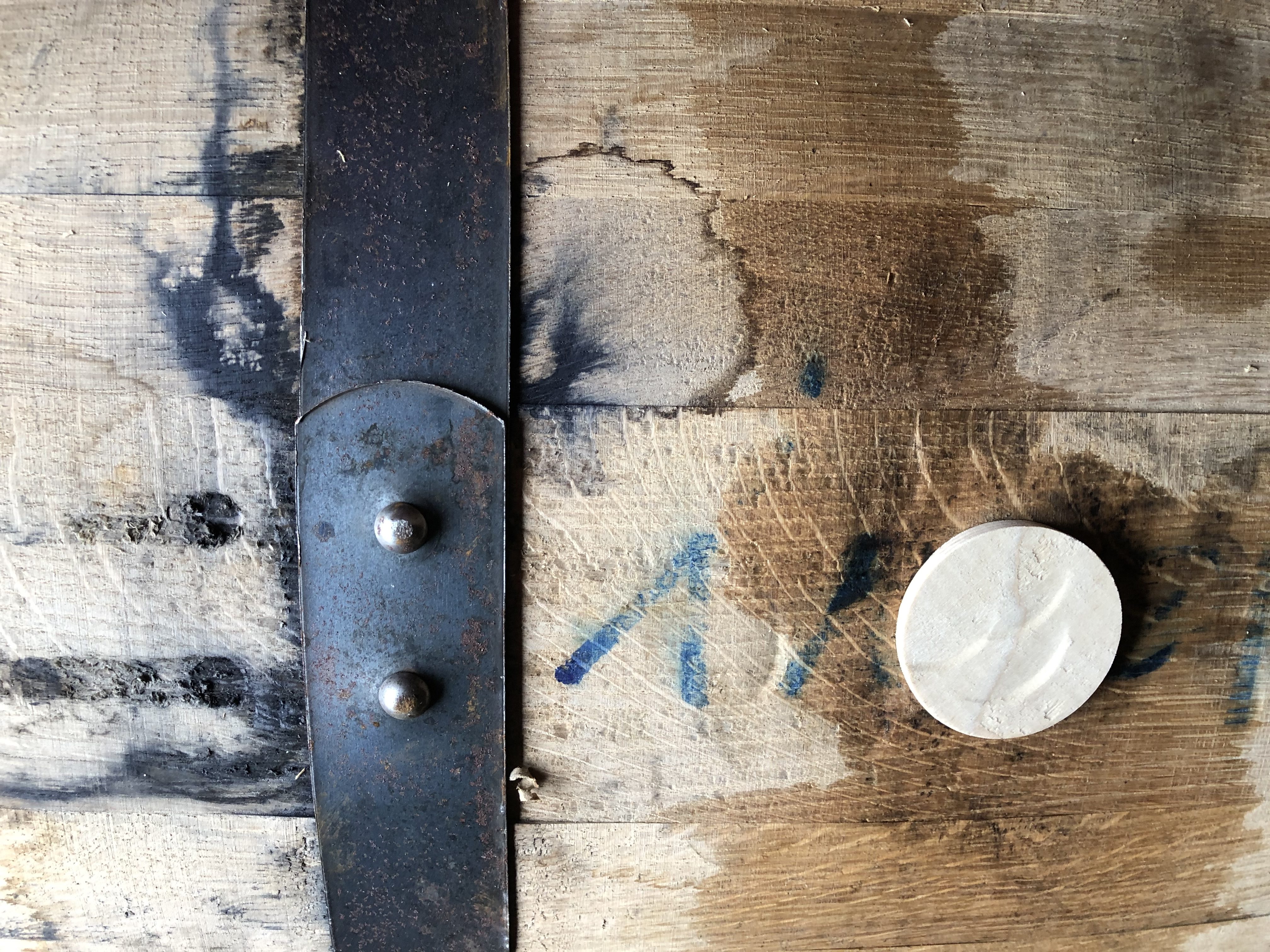
There are many distillers today that have lower barrel entry proof for their whiskey. It costs more as you use more barrels and get less bottles from the barrel, but the flavor is better with a lower barrel entry proof. These distillers are putting flavor before profits. Michter’s Distillery has a barrel entry proof of 103. Other distilleries are putting their whiskey in the barrel in the 114 range. They are finding a balance between flavor and costs.
The prime example for this argument is Stitzel-Weller Bourbon from the Van Winkle Era. They had a barrel entry proof of 107 before the distillery was sold. A four year old, 90 proof Cabin Still Bourbon made at Stitzel-Weller in the 1960s is full of caramel and vanilla flavors. It was the same wheat recipe as the Old Fitzgerald and Weller Bourbons with the difference being age and bottling proof.
Barrel entry proof plays an important role in the flavor of young whiskey. I always ask, “What is the barrel entry proof of your whiskey?” when I visit a distillery. It makes a difference.


Photos Courtesy of Maggie Kimberl and Rebecca Hammer


July 10, 2026 at 12:33 pm
The maximum barrel-entry proof was raised to 125 in 1962, not 1964.
July 10, 2026 at 1:05 pm
Doesn’t lower barrel entry proof whiskey also get diluted less when bottled resulting in more flavor as well?
July 10, 2026 at 1:06 pm
Yes it does. Good point
July 11, 2026 at 3:20 am
Mike, you and I have always been proponents of low barrel entry proof. It just makes better whiskey.